
 EN
EN
 HU
HU
Allergy Season – How to Prepare for the Pollen Period
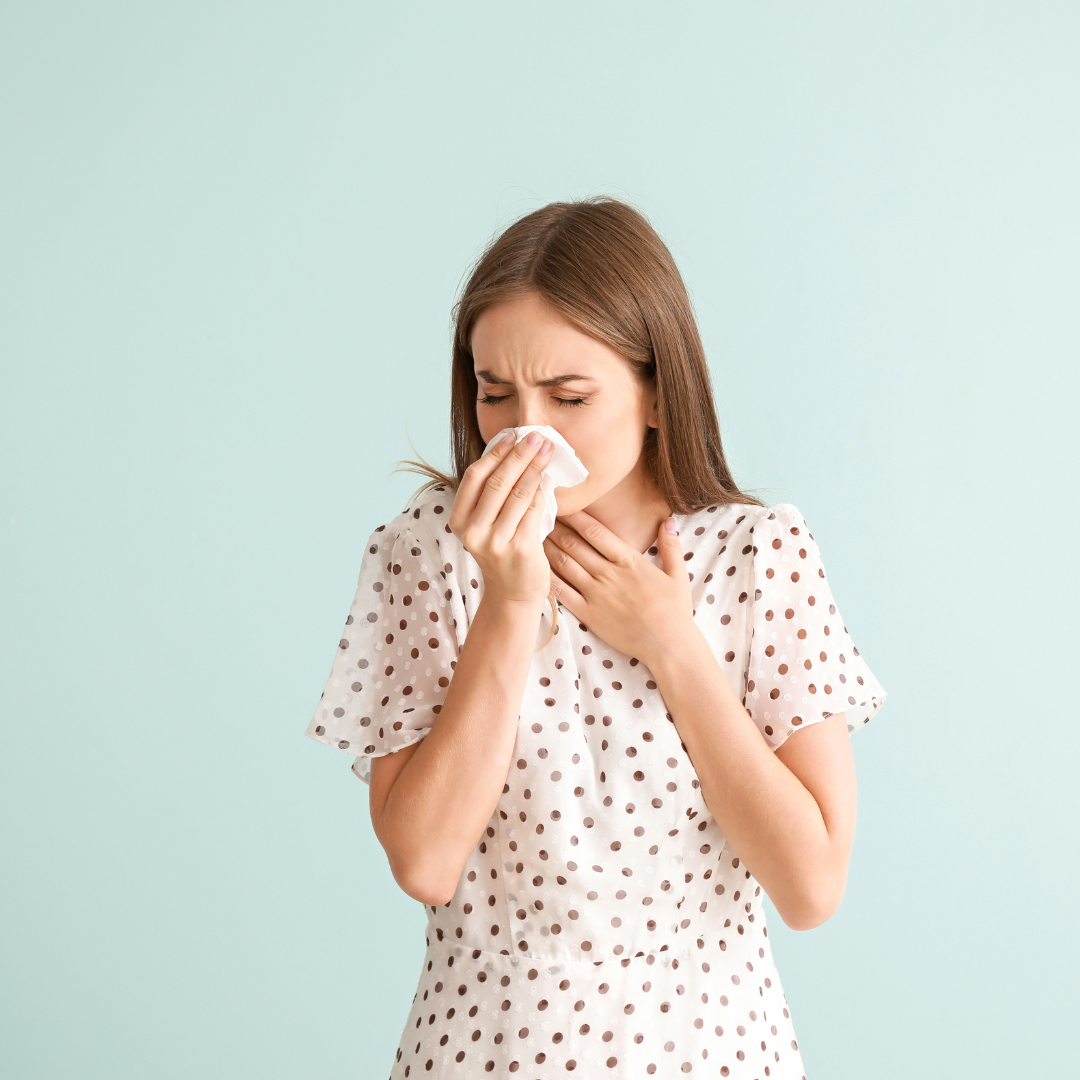
For many people, spring and summer symbolize the renewal of nature. However, for an increasing number of individuals, these seasons also mark the onset of allergic symptoms. Pollen allergy (seasonal allergic rhinitis or hay fever) is a disease with a growing global prevalence that can significantly affect quality of life and everyday performance. During allergy season, plant pollens present in the air—primarily from trees, grasses, and weeds—can trigger immunological reactions in sensitive individuals.
What Happens During an Allergic Reaction?
Allergy is an IgE-mediated hypersensitivity reaction of the immune system, in which the body identifies an otherwise harmless environmental substance—an allergen—as a threat. In the case of pollen allergy, the immune system produces specific IgE antibodies against inhaled pollen particles. Upon repeated exposure to the allergen, these antibodies trigger the release of histamine and other inflammatory mediators through mast cells and basophils, leading to the appearance of characteristic symptoms (Pawankar et al., 2020).
The most common symptoms include:
-
► sneezing and runny nose
-
► nasal congestion
-
► itchy and watery eyes
-
► throat irritation
-
► coughing
-
► fatigue and difficulty concentrating
In some cases, allergic rhinitis may also be associated with allergic asthma, which can cause shortness of breath and wheezing (Bousquet et al., 2020).
When Does Allergy Season Occur?
The duration of the allergy season depends on geographical location and climatic conditions, but in Hungary it generally lasts from early spring until late autumn. Different plants release pollen at different times of the year:
-
→ Early spring: hazel (Corylus), alder (Alnus), birch (Betula)
-
→ Late spring – early summer: grasses (Poaceae)
-
→ Late summer – autumn: ragweed (Ambrosia artemisiifolia)
In Hungary, ragweed pollen is a particularly significant problem and is considered one of the most potent allergenic pollens in Europe (Lake et al., 2017).
The Role of Laboratory Diagnostics
Allergic symptoms often resemble those of other respiratory illnesses, such as viral infections. Therefore, establishing an accurate diagnosis is essential. Modern laboratory diagnostics provide the opportunity to precisely identify the allergens responsible for allergic reactions.
The most commonly used tests include:
Specific IgE determination from blood
This blood test can detect whether the body produces specific IgE antibodies against a given allergen. It is a widely used and reliable diagnostic method (Hamilton & Adkinson, 2015).
Allergy panels
These tests allow the simultaneous examination of sensitivity to multiple allergens, such as pollen, house dust mites, animal dander, or molds.
Component-resolved diagnostics (CRD)
One of the advanced tools of modern allergology, enabling the identification of allergens at the molecular level. This method helps distinguish primary allergies from cross-reactions and allows more accurate risk assessment (Matricardi et al., 2016).
What Can Be Done to Reduce Allergy Symptoms?
During allergy season, several measures can help alleviate symptoms:
-
♦ monitoring daily pollen reports
-
♦ reducing prolonged outdoor exposure during windy weather
-
♦ changing clothes and washing hair after returning home
-
♦ using short, intensive ventilation during high pollen periods
-
♦ using antihistamines or other medications recommended by a physician if necessary
For some patients, allergen-specific immunotherapy may also be available. This is considered the only causal treatment for allergic rhinitis and allergic asthma (EAACI Guidelines, 2018).
The Importance of Early Detection
Proper diagnosis and management of allergies can significantly improve the quality of life of affected individuals. Modern laboratory tests enable the rapid and reliable identification of allergen triggers, which is essential for developing personalized treatment strategies.
If you experience recurring allergic symptoms, it is advisable to consult a healthcare professional and undergo laboratory testing if necessary.
References
Bousquet, J., et al. (2020). Allergic Rhinitis and its Impact on Asthma (ARIA) guidelines. Allergy.
Hamilton, R. G., & Adkinson, N. F. (2015). Clinical laboratory assessment of IgE-dependent hypersensitivity. Journal of Allergy and Clinical Immunology.
Lake, I. R., et al. (2017). Climate change and future pollen allergy in Europe. Environmental Health Perspectives.
Matricardi, P. M., et al. (2016). EAACI Molecular Allergology User's Guide. Pediatric Allergy and Immunology.
Pawankar, R., et al. (2020). WAO White Book on Allergy. World Allergy Organization.